


ACDelco Professional 2SD35X Battery Cable – OEM Quality Replacement
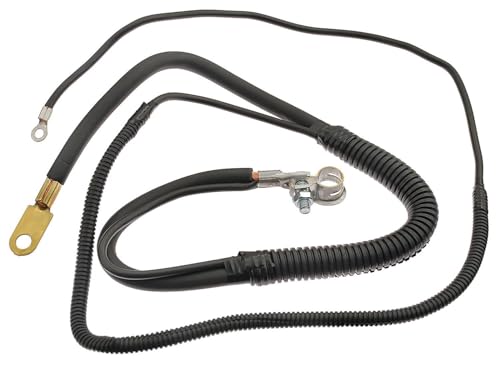
Our ACDelco Professional 2SD35X battery cable is engineered to meet OEM standards for conductivity, durability, and fit. Designed for vehicles requiring reliable electrical connections between the battery and starter or ground, this cable features premium copper stranding and corrosion-resistant terminals.
Whether you’re replacing a worn cable or upgrading your vehicle’s electrical system, the 2SD35X delivers consistent performance in demanding conditions. We back every cable with the quality and precision that professional technicians trust.
- OEM-quality copper stranding for maximum conductivity
- Corrosion-resistant terminal construction extends service life
- Precision-molded insulation withstands heat and moisture
- Direct-fit design matches original equipment specifications
- Engineered for reliable cranking power in all climates
Copper Construction & Terminal Design
The ACDelco Professional 2SD35X battery cable uses multi-strand copper conductors that minimize resistance and maximize current flow during engine cranking. This design ensures your starter receives full battery power, even in cold weather when engine oil thickens and cranking loads increase.
Terminal ends are precision-crimped and feature lead-tin plating to resist corrosion from battery acid vapors and road salt exposure. The secure crimp connection prevents voltage drop that can cause slow cranking or no-start conditions. Our insulation is extruded from heat-resistant thermoplastic that remains flexible across temperature extremes, protecting the copper core from moisture intrusion and physical damage.
Installation & Compatibility
This cable is designed for straightforward replacement of factory battery cables in compatible vehicle applications. Before installation, disconnect the negative battery terminal and inspect both battery posts and starter terminals for corrosion or damage.
The 2SD35X features terminal ends that match original equipment specifications, eliminating the need for adapters or modifications. Simply position the cable along the factory routing path, connect terminals hand-tight, and torque to manufacturer specifications. We recommend applying dielectric grease to terminal connections to further protect against corrosion.
Performance Under Demanding Conditions
Battery cables face harsh operating environments—from subzero winter starts to engine bay heat exceeding 200°F. The ACDelco Professional 2SD35X is engineered to perform reliably across this temperature range without degradation.
Our insulation resists cracking, hardening, and chemical attack from battery electrolyte, fuel, and oil. The copper stranding maintains low resistance even after thousands of vibration cycles, ensuring consistent electrical performance over the cable’s service life. This durability is critical for modern vehicles with high electrical loads from fuel injection, ignition systems, and accessory circuits.
Essential Battery System Components




What people are saying
Questions About the ACDelco Professional 2SD35X Battery Cable
The ACDelco Professional 2SD35X is designed for specific vehicle applications based on year, make, model, and engine type. Check our compatibility database or your vehicle’s service manual for the correct part number.
Cable fitment depends on proper gauge (wire thickness), length, and terminal configuration. Installing an incorrect cable can cause starting problems or electrical damage. If you’re unsure about fitment, consult your vehicle’s documentation or contact a professional technician.
Battery cables deteriorate from several factors: corrosion caused by battery acid vapors and road salt, heat from the engine bay causing insulation cracking, and vibration leading to internal conductor breakage.
Corrosion at terminals creates resistance that reduces current flow to the starter. Cracked insulation allows moisture to reach the copper conductor, accelerating corrosion. The acdelco professional 2sd35x battery cable uses corrosion-resistant terminals and durable insulation to resist these common failure modes. Regular inspection during maintenance helps catch cable problems before they cause starting issues.
Most DIY mechanics can replace a battery cable with basic hand tools. The process involves disconnecting the negative battery terminal first, removing the old cable, routing the new cable along the factory path, and reconnecting terminals with proper torque.
Always disconnect the negative terminal before working on battery cables to prevent electrical shorts. Apply dielectric grease to terminals before connection to protect against corrosion. If you’re not comfortable working with automotive electrical systems, professional installation is recommended to ensure proper connection and routing.
Battery cable gauge (wire thickness) directly impacts the cable’s ability to carry high current during engine cranking. A cable that’s too small for the application creates excessive resistance, causing voltage drop and slow cranking.
The 2SD35X uses the OEM-specified gauge to handle your vehicle’s cranking current without excessive voltage loss. Undersized cables can overheat and fail prematurely, while properly sized cables maintain full voltage delivery to the starter. Always replace battery cables with the correct OEM gauge, not a smaller universal cable.
ACDelco Professional parts are engineered to meet or exceed original equipment specifications for fit, performance, and durability. These cables use premium materials—high-strand copper conductors, corrosion-resistant terminals, and heat-resistant insulation—designed for professional repair standards.
Professional series cables undergo more rigorous testing than economy alternatives to validate electrical performance and environmental resistance. The acdelco professional 2sd35x battery cable delivers OEM-quality reliability at a lower cost than dealer parts while maintaining the same performance standards.
Battery cable lifespan varies based on operating conditions, but properly maintained cables often last 8-10 years or longer. Vehicles in harsh climates with road salt or extreme temperatures may experience shorter cable life due to accelerated corrosion and insulation deterioration.
Regular inspection helps identify cables needing replacement before they cause starting problems. Look for corrosion at terminals, cracks or brittleness in the insulation, and physical damage from heat or abrasion. Replacing cables at the first sign of deterioration prevents roadside breakdowns and ensures reliable starting performance.
If one battery cable shows significant wear or corrosion, inspecting the other cable is recommended. While cables don’t always fail simultaneously, they experience similar environmental conditions and age at comparable rates.
Replacing both positive and negative cables ensures consistent low resistance throughout your starting circuit, eliminating potential weak points. Many technicians replace cables in pairs during major service intervals to prevent future starting issues. If only one cable shows damage, replacing just that cable is acceptable, but plan to monitor the other cable closely during subsequent inspections.